
Introduction
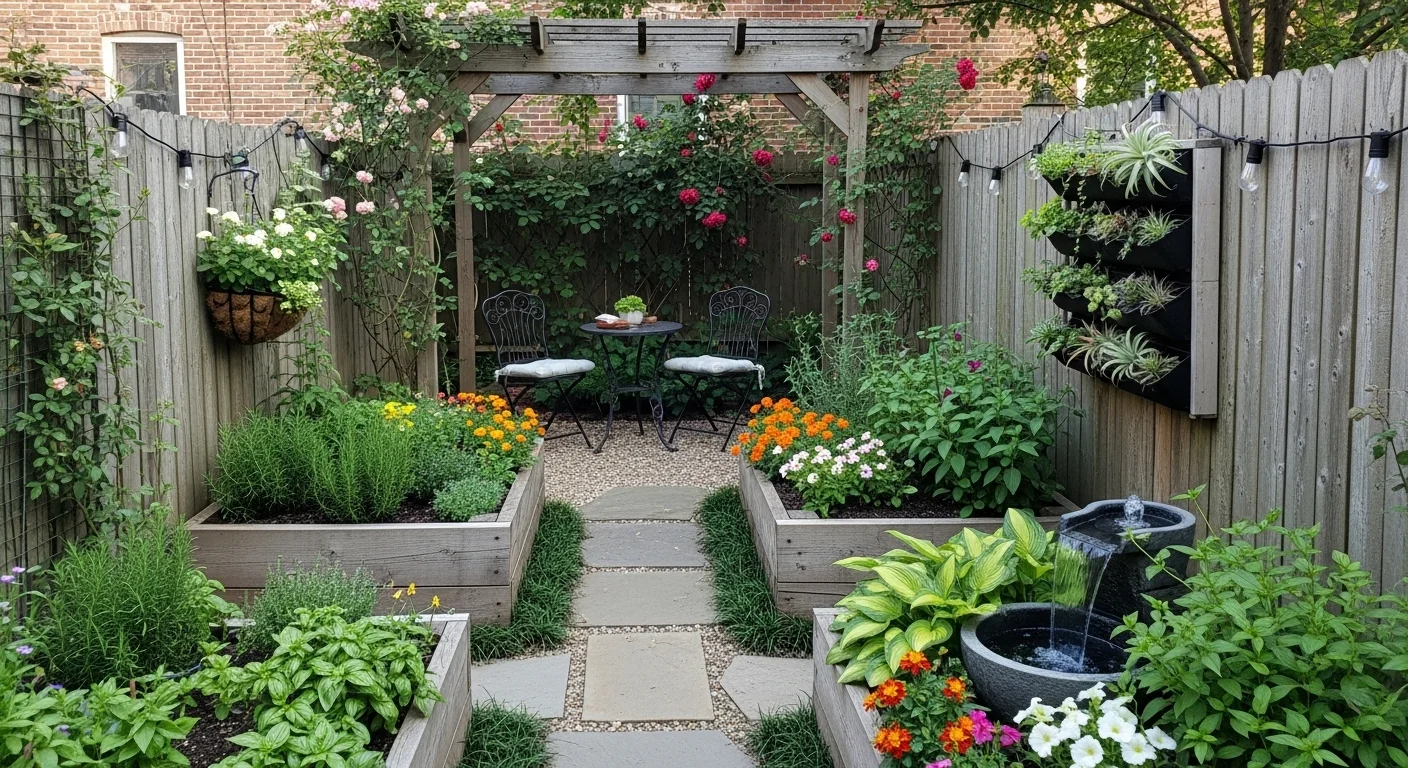
Are you blessed with a tiny outdoor space? Don’t let it stop the possibility of creating something stunning. A small backyard can be as beautiful as a huge one. All you need is a little design and imaginative ideas. The design of small gardens is about maximising every inch. This guide will teach you how to transform your tiny area into a beautiful getaway. Learn about ways to improve your home and suggestions that will work.
Why Small Garden Design Matters
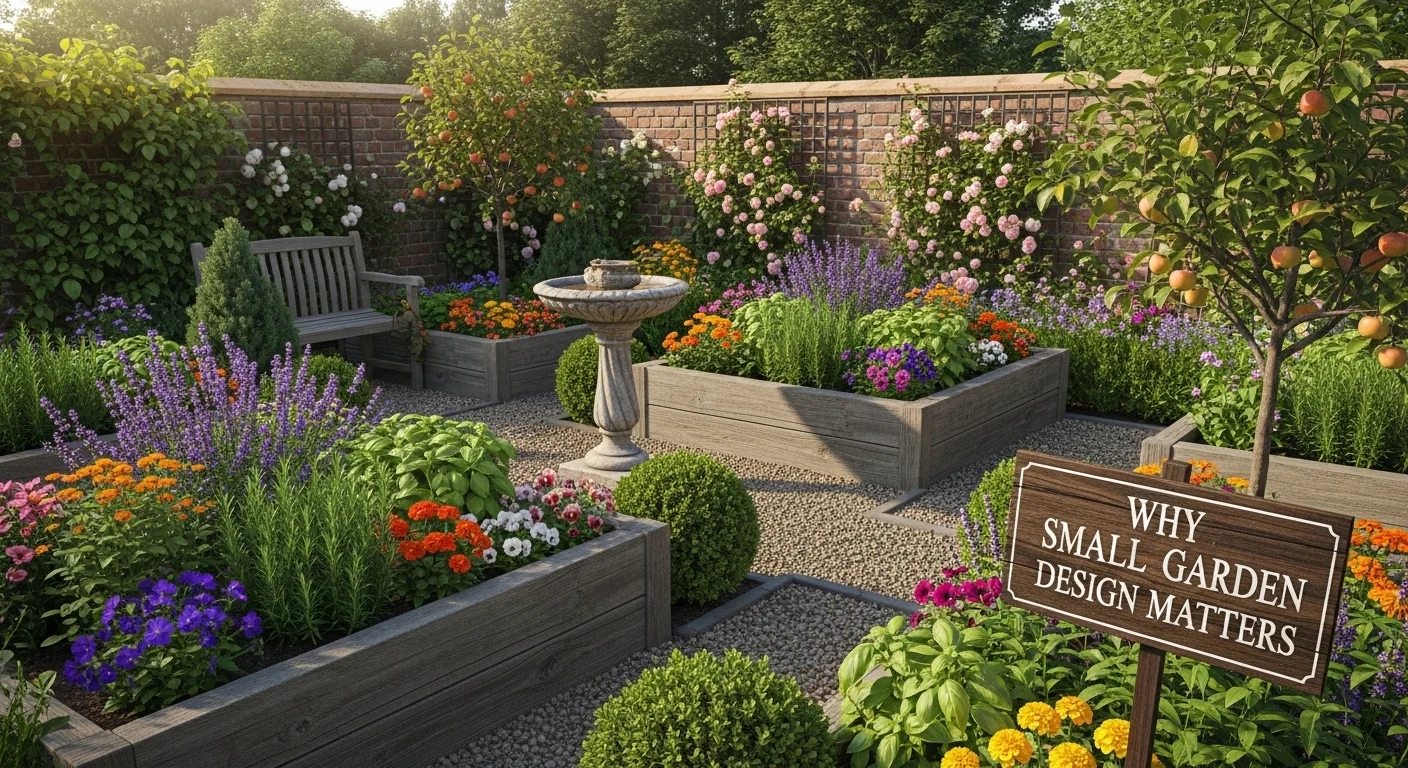
Small spaces need special attention. Every corner is important in a space that is small. Good design makes your garden look bigger. It is a area to relax. Plants can be grown or add seating and decorate it with pretty.
Many people believe that small gardens are limited. It’s not the case. Smaller gardens are simpler to keep. They cost less to construct. They can be changed quickly when you need to. The most important thing is to plan your project at the beginning.
Planning Your Small Garden Design
Make a strategy. Make sure you measure your space accurately. Record the dimensions. Consider what you would like most. Do you desire flowers? Vegetables? A place to sit? Write down your top priorities.
Make a drawing on paper. This will help you see the whole. You can mark the spot where the sun is in your garden. Check for shady areas. Be sure to check where the water drains after rain. These details matter a lot.
Consider your lifestyle too. What time do you have to spend in the garden? Pick plants that are compatible with your lifestyle. Select features that you will actually utilize.
Essential Elements of Small Garden Design
Every good garden needs certain elements. Here are the essentials that you must include:
Plants and Greenery
Plants can add the life into any space. Select a variety of kinds. Add some evergreens to give your garden colour. Include flowering plants to add the beauty of the season. Think about herbs if you enjoy cooking.
Pathways
Even small gardens need paths. They help people navigate the garden. Make use of stepping stones or gravel. Make sure paths are clean and simple.
Seating Areas
Make a space to relax and relax. A bench is ideal. Even a few chairs can be a great addition. Pick furniture that is appropriate for the space.
Focal Points
Include something that grabs the eye. It could be a beautiful pot. Maybe a fountain. Perhaps a gorgeous flower. The most important thing is that it has enough.
Smart Layout Ideas for Small Spaces
Layout is the key to a successful design ideas for your garden. Here are some proven methods to organize your garden:
Make use of vertical space. Walls can accommodate hanging plants. Put up shelves to hold pots. Include a trellis to climb plants. This can save space on the ground.
Create zones or zones. One corner is for sitting. A second one for plants. Maybe a tiny herb section. Zones can make gardens appear more organized.
Keep the center of the room open whenever you can. This helps create a sense of space. Plants should be pushed toward the edges. Keep the middle of the area free.
Color Schemes That Work
Colors affect how big your garden feels. Light colors make the space appear bigger. White, cream and pale pink all work well. They reflect brilliantly.
The chaos of too many colors is caused by the overuse of colors. Limit yourself to three or two principal colors. This helps create harmony and calm. Your garden will appear more unified.
Green is a great choice for tiny areas. The different shades of the green give dimension. They give a tranquil feeling. Mix dark and light greens.
Best Plants for Small Garden Design
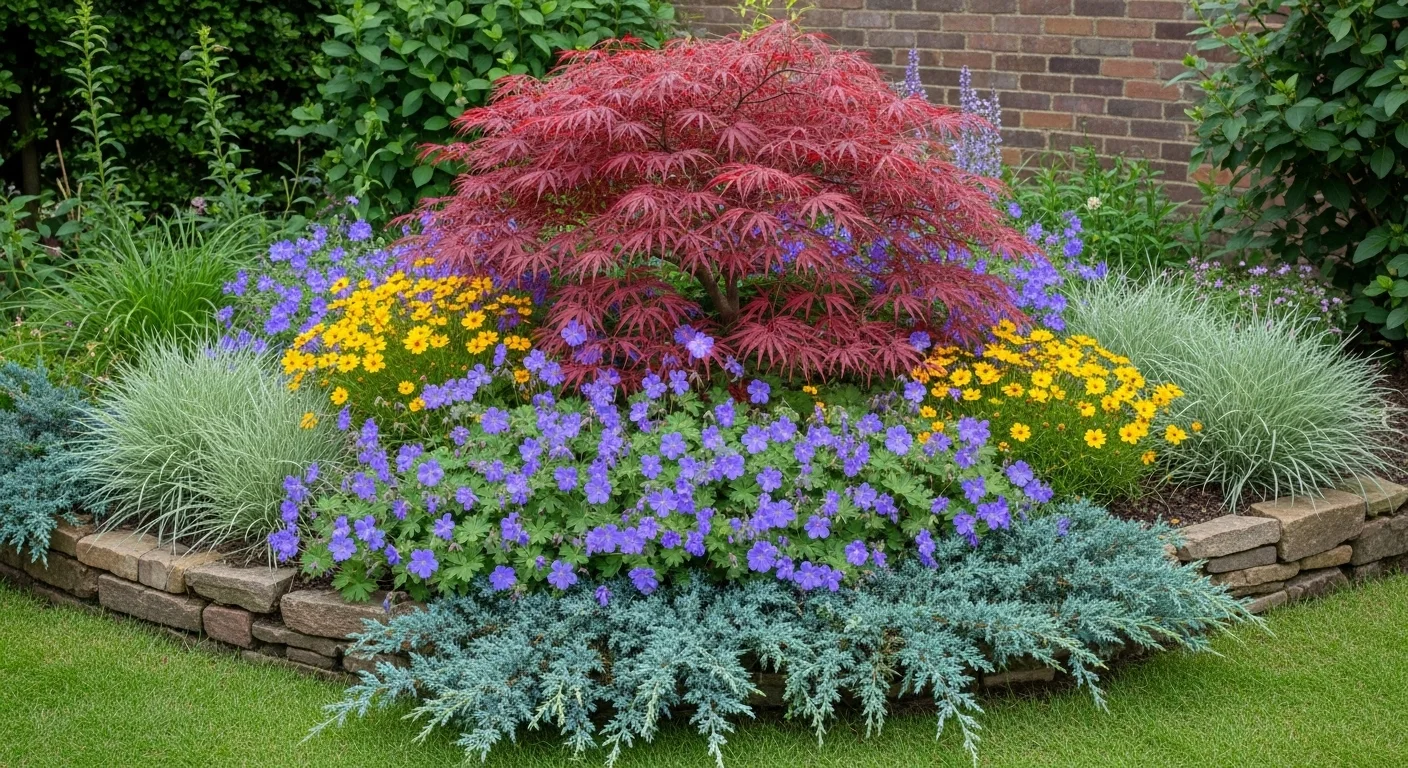
Making the right choice of plants is essential. This is how to do it:
- Small shrubs, that are compact.
- Smaller varieties of the most popular plant species
- Herbs like mint and basil
- Small flowering plants
- Climbing vines to build walls
- Ornamental grasses
- Succulents to be used in containers
- Small trees, such as Japanese maple
Beware of plants that are too large. They’ll take up a lot of space in a short time. Find out the size of mature plants before purchasing. Take note of the labels on plants.
Container Gardening Solutions
Containers are ideal to use in small spaces. They are flexible and stylish can be moved around with ease can be changed according to the seasons.
Make use of different sizes of pots. Mix widths and heights. Make odd numbers, like the three and five. This appears more natural and attractive.
Select a good potting soil to use in containers. They should be watered regularly as they get dry quickly. Plants in containers should be fed with fertilizer every month. They require additional nutrients.
Garden Design Styles for Small Spaces
Select a style that complements your home. Here are some popular choices:
Modern Minimalist
Simple and clear lines. Only a few plants but selected carefully. A lot of hardscaping, such as pavers. Easy to maintain.
Cottage Garden Style
The bouquet is filled with beautiful flowers. It’s romantic and warm. Mix different plant types freely. It requires more attention.
Japanese Zen Garden
The design is tranquil and peaceful. Utilizes gravel and rocks. It also includes bamboo and basic plants. Very serene feeling.
Mediterranean Look
Terracotta pots are everywhere. Herbs and lavender feature prominently. Warm colors dominate. Great for sunny spots.
Comparison of Garden Styles
| Style | Maintenance | Best For | Key Features |
|---|---|---|---|
| Modern | Low | People who are always busy | Simple, clean lines |
| Cottage | High | Plant lovers | Many flowers |
| Japanese | Medium | Peace seekers | Bamboo, rock, calm |
| Mediterranean | Low | Sunny areas | Herbs, terracotta |
Lighting for Small Gardens
Good lighting extends garden enjoyment. You can use your garden after dark. String lights create a magical ambience. Solar lights are simple to set up.
Put lights on pathways to ensure security. Bring out the best plants by using spotlights. Utilize warm white bulbs to create comfort. Avoid bright and harsh lighting.
Think about battery-powered options as well. They’re portable and flexible. There is no wiring required. Ideal for temporary installation.
Water Features in Small Spaces
Water creates beautiful sounds and movements. Even small gardens can contain water. Small fountains can be placed nearly everywhere. Wall-mounted fountains are a great way to save floor space.
Birdbaths draw beautiful wildlife. They’re practical and stylish. Pick one that is in line with your personal style. Keep your water clean and fresh.
Be sure that water features are appropriate for the space you have. Do not overpower with anything too large. Simple is always better for small gardens.
Storage Solutions
Storage keeps small gardens tidy. Built-in benches can be used to store equipment inside. Vertical sheds use less space on the ground. Use decorative boxes for supplies.
Cover up ugly objects behind plants. Use bamboo panels to screen your bins. You should only keep what you require. Regular decluttering helps a lot.
Storage that is smart maintains a peaceful sensation. Everyone doesn’t want to be surrounded by garden tools. Make sure everything is organized and tucked away.
Maintenance Tips for Small Gardens
Smaller gardens are simpler to take care of. It is better to have regular, short sessions than large clean-ups. Do 15 minutes a day whenever you can.
Deadheading flowers will increase the number of blooms. Remove weeds as they grow. Then, water them deeply, but less frequently. This promotes root growth that is strong.
Prune plants to make sure they stay small. Do not let anything grow too large. Replace plants that have outgrown the area. Keep track of the situation.
Budget-Friendly Design Ideas
Beauty doesn’t need a lot of cash. Begin small and increase the amount in time. Choose young plants over mature ones. They’re cheaper and they will grow rapidly.
Make use of recycled materials to create something new. Old pallets are great for planters. Broken pots become garden art. Paint furniture from the past to make seating.
Seeds can be grown from plants whenever possible. Share cuttings with family and neighbors. Look for sales and discounts at the end of the season. Be patient and innovative.
Common Mistakes to Avoid
Don’t overcrowd your small garden. Many plants appear unorganized. They vie for light and resources. The less is more in this case.
Do not buy plants in a rush. Keep to your budget and plan. Purchases that are random can create a variety of looks. Make sure you think before you purchase.
Don’t overlook the importance of sunlight. The plants require the right conditions to flourish. Learn the labels and follow the guidelines. Install the correct plant in the proper spot.
Seasonal Interest in Small Gardens
Make plans for all-year-round beauty. Include spring bulbs to give early bloom. The main event of summer is the show. Autumn is a beautiful time of foliage.
Winter is a time for structure and excitement as well. Evergreens are a great source of green throughout the throughout the year. Add berries for winter birds. Think about ornamental grasses to add texture.
Change the container plants according to seasons. This helps keep your garden looking fresh. Pots in off-season storage are away from view. Introduce new ones frequently.
Conclusion
Small garden design opens endless possibilities. Your small space can be transformed into your own personal paradise. Begin with a good plan and clearly defined objectives. Select the best plants for your environment. Make use of vertical space as often as is possible. Make zones for various reasons. Choose a style that is suitable for your. Include lighting to enhance your evening experience.
Include at minimum one focal place. Maintain maintenance as simple as possible and regularly. But most importantly, create your own garden. Your garden will provide you with joy every single day. Start today and see your tiny garden transform into something special.
FAQs
Question: How can I make my tiny garden appear bigger?
Use light colors, use vertical planters and keep the center wide to facilitate flow.
Q What are the top plants for small-sized gardens?
Smaller varieties, compact plants herbaceous, climbing plants are great for small spaces.
Q: How much does small garden design cost?
Costs are varied However, you can create elegance for as little as $200 with smart options.
Q Can I grow vegetables in my small garden?
Yes, you can grow them in containers or utilize support structures that are vertical for climbing varieties.
Q What is the best way to keep my garden in good shape?
Daily checks are ideal for quick maintenance With more thorough maintenance every week or biweekly if needed.
