
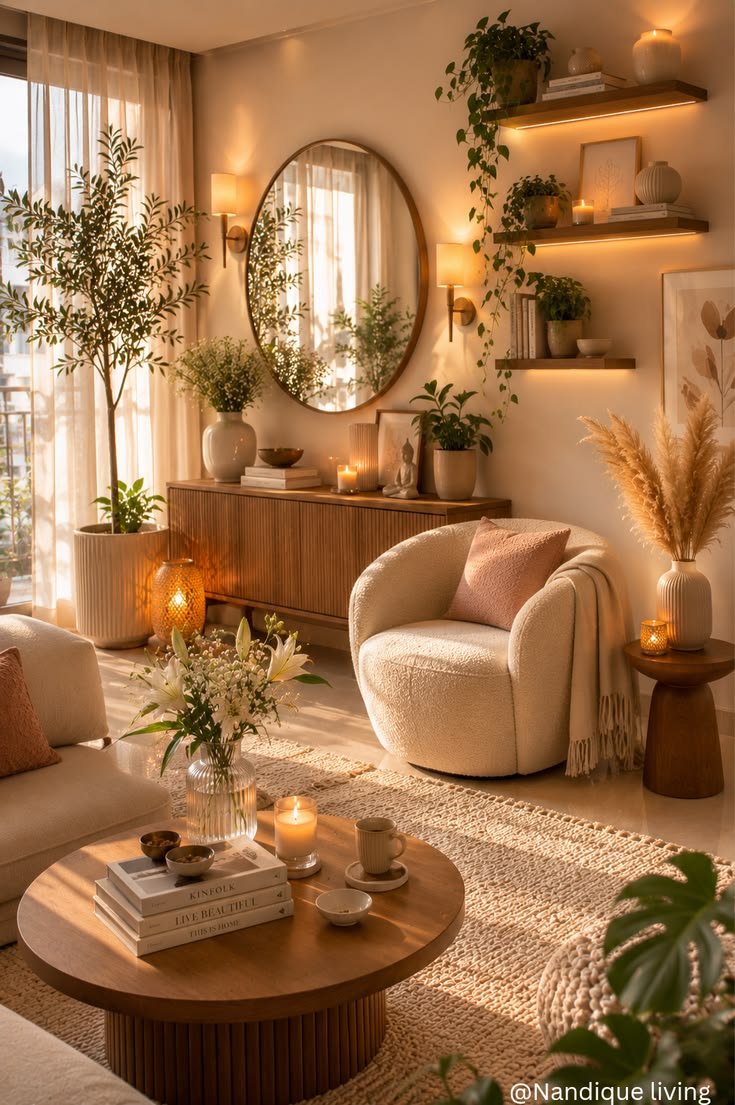
Modern Furniture Ideas | Stylish Living Room Inspiration
Walk into any home magazine feature or scroll through a design blog for five minutes, and you’ll notice something. The living rooms that stop you mid-scroll rarely rely on one expensive statement piece. They work because every item in the room — the sofa, the coffee table, the lighting, even the rug underfoot — is speaking the same visual language. That’s really what “modern” means in furniture terms today. It’s not a rigid rulebook. It’s a mindset built around clean lines, honest materials, and rooms that feel calm rather than cluttered.
If you’re planning a refresh, or starting from a completely empty space, this guide walks through the furniture choices, layout tricks, and small details that separate a living room that looks put-together from one that feels like it happened by accident.

What “Modern” Actually Means in 2026
People throw the word “modern” around loosely, so it helps to pin it down. Modern furniture design draws from the mid-century movement but strips away anything unnecessary. Think tapered wooden legs instead of bulky bases, upholstery in muted or earthy tones instead of loud prints, and shapes that favor curves and soft geometry over sharp ornamentation.
This is different from “contemporary,” which just means whatever’s currently trending, and different from “minimalist,” which is more about restraint in quantity. Modern living room furniture sits somewhere in between — functional, understated, but still warm enough to live in.
The best modern rooms right now lean into a mix of natural materials (oak, linen, boucle, rattan) paired with a few sculptural or metallic accents. It keeps a space from feeling cold or showroom-like.
Start With the Sofa — It Sets the Tone
Everything in a living room gets measured against the sofa, whether people realize it or not. It’s the largest object in the room and usually the first thing anyone notices.
A few directions that work well in modern spaces:
- Low-profile sofas with track arms — these read as sleek and make ceilings feel taller by comparison.
- Curved or channel-tufted sofas — a soft, rounded silhouette has become one of the defining shapes of the last few years, breaking up all the straight edges elsewhere in the room.
- Modular sectionals — great for families or anyone who rearranges often, since the pieces can be reconfigured instead of replaced.
Color matters just as much as shape. Warm neutrals — oatmeal, terracotta, sage, and soft charcoal — tend to outlast trend-driven colors like millennial pink or navy, which can date a room within a few years.

Coffee Tables and Accent Tables Worth Building Around
A coffee table isn’t just a surface for your coffee mug and a stack of books you haven’t opened in months. In a modern room, it’s often the visual anchor that ties the seating arrangement together.
Organic-shaped tables — think kidney or free-form silhouettes in stone, travertine, or reclaimed wood — have become especially popular because they soften a room full of straight-edged furniture. Glass and smoked-glass tops still show up often, particularly in smaller rooms, since they visually take up less space than solid wood or stone.
Nesting tables are worth considering if you frequently host people or need flexible surface space. They tuck away when not needed and pull double duty during gatherings.
Storage That Doesn’t Look Like Storage
One of the biggest shifts in modern furniture design is how storage gets handled. Instead of oversized entertainment centers or bulky bookshelves, designers are leaning toward low media consoles with slim hairpin or block legs, open shelving that shows off a few curated objects rather than everything you own, and modular wall-mounted units that keep the floor visually clear.
The goal is to hide the clutter without hiding the personality. A console with a couple of closed cabinets for cords and remotes, paired with open shelves for a plant or two and some ceramics, tends to strike the right balance.
Lighting Is Furniture Too
It’s easy to treat lighting as an afterthought, but in a well-designed modern living room, lighting fixtures function as sculptural furniture pieces in their own right.
Arc floor lamps with a marble base have remained a staple for good reason — they curve gracefully over a seating area without needing a side table underneath. Sculptural table lamps, the kind that look almost like small art objects, add personality to a console or shelf. And for overhead lighting, oversized dome pendants or clustered globe fixtures give a room a soft, gallery-like glow instead of harsh overhead lighting.
Layering three types of light — ambient, task, and accent — makes a bigger difference to how “designed” a room feels than almost any single furniture purchase.
Chairs, Ottomans, and the Small Pieces That Add Personality
Once the big-ticket items are settled, the smaller furniture pieces are where a room gets its personality.
An accent chair in a bold texture — boucle, velvet, or leather — gives a room contrast without overwhelming it. A well-placed ottoman can double as extra seating, a footrest, or even a makeshift coffee table when you throw a tray on top. And swivel chairs have made a real comeback, especially in open-concept spaces, since they let a seat face multiple directions depending on whether you’re watching TV or chatting with guests.
The trick with accent pieces is restraint. One or two well-chosen items will do more for a room than five scattered around competing for attention.

Layout Tips That Make Furniture Choices Actually Work
Even the best furniture can fall flat if the layout fights against the room. A few layout principles that consistently hold up:
Keep walking paths at least 30 inches wide so the room doesn’t feel like an obstacle course. Float furniture away from the walls when the room allows it — pushing everything against the perimeter is one of the most common reasons living rooms feel stiff and unfinished. Anchor the seating area with a rug that’s large enough for at least the front legs of every major piece to sit on it; a too-small rug is one of the fastest ways to make a room look unbalanced.
If the room needs to serve more than one purpose — a living and dining combo, for example — furniture with a lower visual weight, like open-backed shelving or glass tables, helps keep sightlines open so the space doesn’t feel divided.
Color and Material Pairings That Feel Current
Modern living rooms right now tend to favor a warm, tonal palette rather than sharp contrast. Think of a base of warm whites or greige, layered with wood tones in walnut or white oak, and one or two deeper accent colors like olive, rust, or a deep blue-green.
Material mixing matters here too. A boucle chair next to a leather sofa, paired with a stone coffee table and a brass floor lamp, creates the kind of textural depth that photographs well and feels good to actually sit in. The mistake to avoid is matching everything too literally — a room where every piece is the same wood tone or the same fabric can end up looking more like a furniture showroom than a home.
Small Space? Modern Furniture Actually Helps
If your living room is on the smaller side, modern design principles work in your favor. Furniture with exposed legs (rather than pieces that sit flush to the floor) creates a sense of visual space underneath, which makes a room feel larger than it is. Multi-functional pieces — a storage ottoman, a bench that doubles as a coffee table, a daybed that works as both sofa and guest bed — let a small room do more without feeling packed.
Mirrors, glass surfaces, and lighter upholstery colors also bounce light around a room, which matters more in compact spaces than most people expect.

Bringing It All Together
A stylish, modern living room doesn’t come from buying every trending piece you see online. It comes from picking furniture that shares a visual language — clean lines, natural materials, a warm and cohesive color palette — and then arranging it with enough breathing room to actually live in.
Start with the sofa, since it dictates the scale and tone of everything else. Build outward with a coffee table that adds shape contrast, storage that hides the clutter without hiding your personality, and lighting that does double duty as decor. Layer in a few accent pieces for texture, and don’t be afraid to leave some visual space empty — in modern design, restraint is often what makes a room feel intentional rather than accidental.
Frequently Asked Questions
What furniture style is trending for living rooms right now? Curved, low-profile sofas paired with organic-shaped coffee tables and warm, tonal color palettes are currently the dominant look in modern living room design.
How do I make a small living room look modern without feeling cramped? Choose furniture with visible legs, stick to a lighter color palette, and prioritize multi-functional pieces like storage ottomans or nesting tables that can tuck away when not in use.
What colors work best in a modern living room? Warm neutrals like oatmeal, sage, and greige tend to age well, especially when paired with natural wood tones and one or two deeper accent colors.
Do I need matching furniture for a cohesive modern look? No — in fact, matching everything too closely can make a room feel flat. A better approach is mixing materials and finishes that share a similar tone or mood rather than buying a matched set.
